
The Ultimate Guide to Church Blogging

Did you know over 60% of my website’s traffic comes from blog content? That’s one of the biggest reasons I recommend blogging to churches and ministries.
Now imagine if a church could increase its website visibility by a similar percentage simply by publishing helpful articles consistently. That is the power of church blogging.
A blog is no longer just an online journal. In 2026, it is one of the most effective ways for a church to reach new people, answer spiritual questions, support members during the week, and improve its visibility on Google.
According to a report, a large majority of Americans engage in spiritual practices regularly, which means people are actively searching online for guidance, prayer, Bible answers and faith-based encouragement. If your church website does not provide that content, another website will.
As a web designer who has worked with churches and service-based organizations, I often see beautiful church websites that receive very little search traffic because they have no ongoing content strategy. A church website blog is usually the missing piece.
Why Church Blogging Matters in 2026
Most churches update their website only when there is a new event or announcement. Search engines, however, tend to favor websites that publish fresh, useful content consistently.
A well-maintained church blog can help your ministry:
Reach people searching for spiritual answers on Google.
Keep members engaged between Sunday services.
Increase organic website traffic over time.
Build trust before a visitor attends in person.
Provide shareable content for email newsletters and social media.
Improve local SEO for searches such as church near me.
HubSpot’s marketing research consistently shows that businesses and organizations that publish educational blog content generate significantly more website traffic than those that do not. The same principle applies to churches because search engines reward relevance and usefulness.
Think of a blog as a 24/7 digital ministry. Your sermon is heard for one hour; a blog post can be discovered for years.
What Is Church Blogging?
Church blogging is the practice of publishing helpful faith-based articles on a church website. These articles are designed to educate, encourage, answer questions, and support both church members and first-time visitors.
A healthy blog church strategy usually includes three types of content:
1. Teaching content
Examples: Bible studies, devotionals, sermon follow-ups, prayer guides.
2. Community content
Examples: volunteer stories, outreach updates, baptism testimonies, ministry highlights.
3. Practical life content
Examples: parenting advice, marriage encouragement, grief support, budgeting tips, mental health resources from a Christian perspective.
The goal is not to advertise the church constantly. The goal is to serve the reader first.
What church blogging is not
A blog should not become a list of announcements such as:
Vacation Bible School starts Monday.
Potluck dinner this Friday.
Youth retreat registration closes tomorrow.
Those updates belong on an events page or in an email newsletter. A blog should provide lasting value that someone would still want to read six months from now.
12 Example Church Blog Topics and Ideas
A successful church blog is not built on random announcements. It is built on content that helps people grow spiritually, feel connected, and find answers online. Here are 12 content types I recommend to churches based on SEO best practices, reader engagement, and real church website behavior.

Need Help with Your Squarespace Website?
Book a free kick-off call to discuss your project requirements in detail. Whether you're launching a new Squarespace website, redesigning an existing one, or looking to improve functionality and user experience, we'll help you explore the best options for your goals.
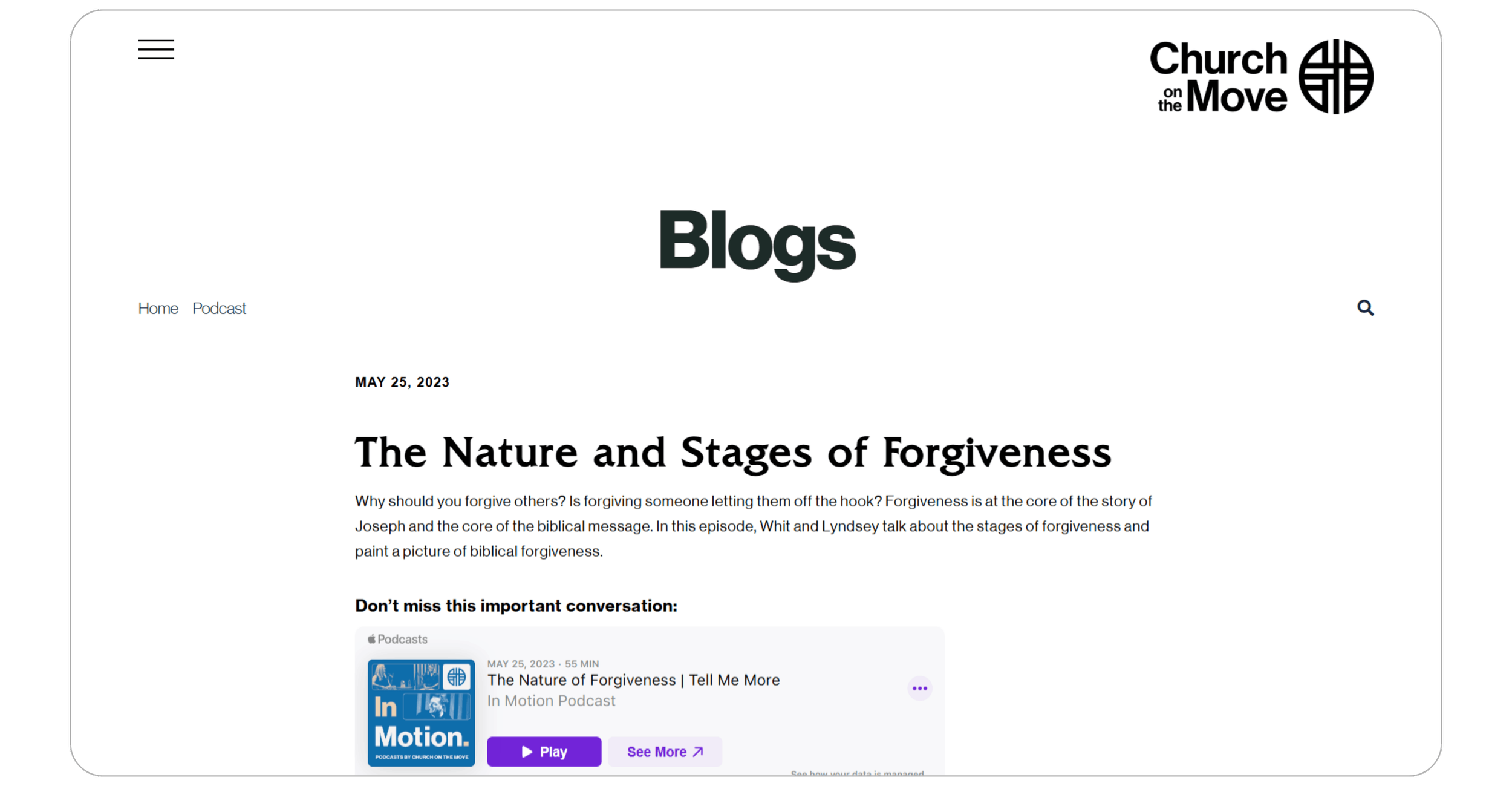
1. Answer Real Faith Questions
One of the best ways to grow a church blog is to answer questions people are already searching for online or asking in small groups.
Example: What Does the Bible Say About Anxiety and Fear? , The Nature and Stages of Forgiveness
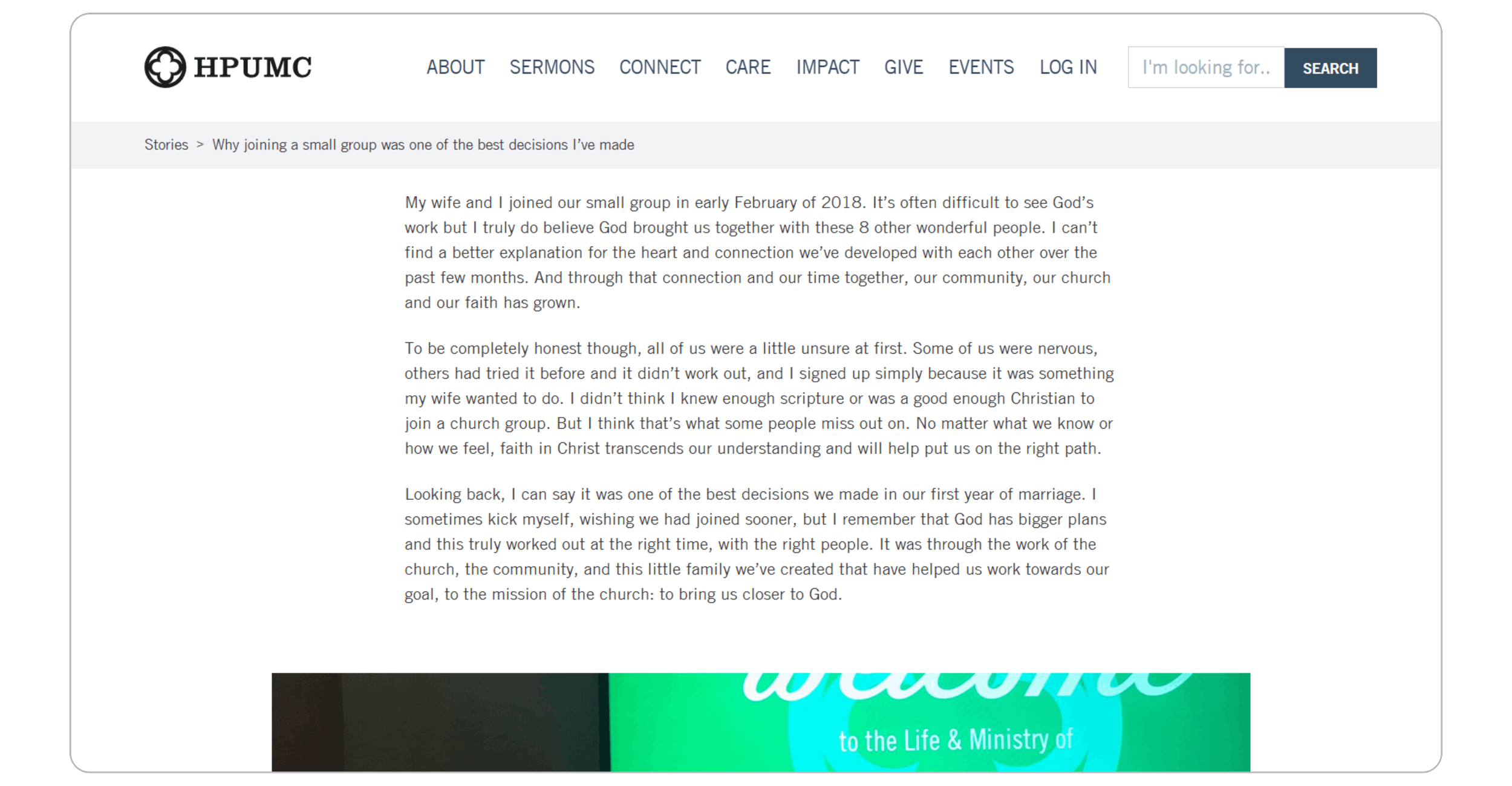
2. Share Testimonies and Life Stories
A church website blog becomes more personal when members share how God has worked in their lives. Real stories create emotional connection and encourage others.
Example: How Joining a Small Group Strengthened My Faith
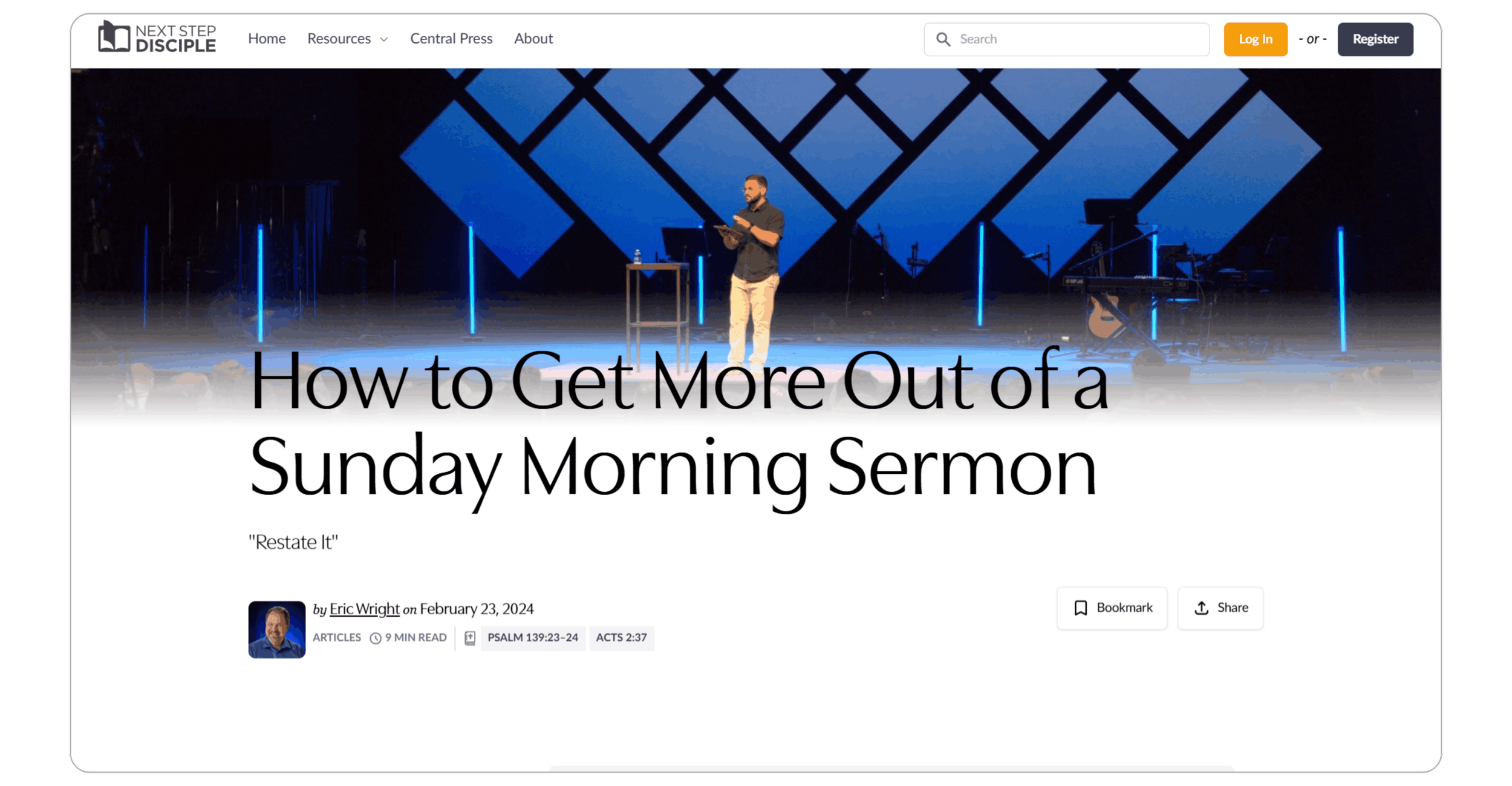
3. Publish Sermon Follow-Up Articles
Instead of repeating the sermon, expand one key lesson and give readers practical ways to apply it during the week.
Example: 3 Lessons We Can Practice After Sunday’s Message
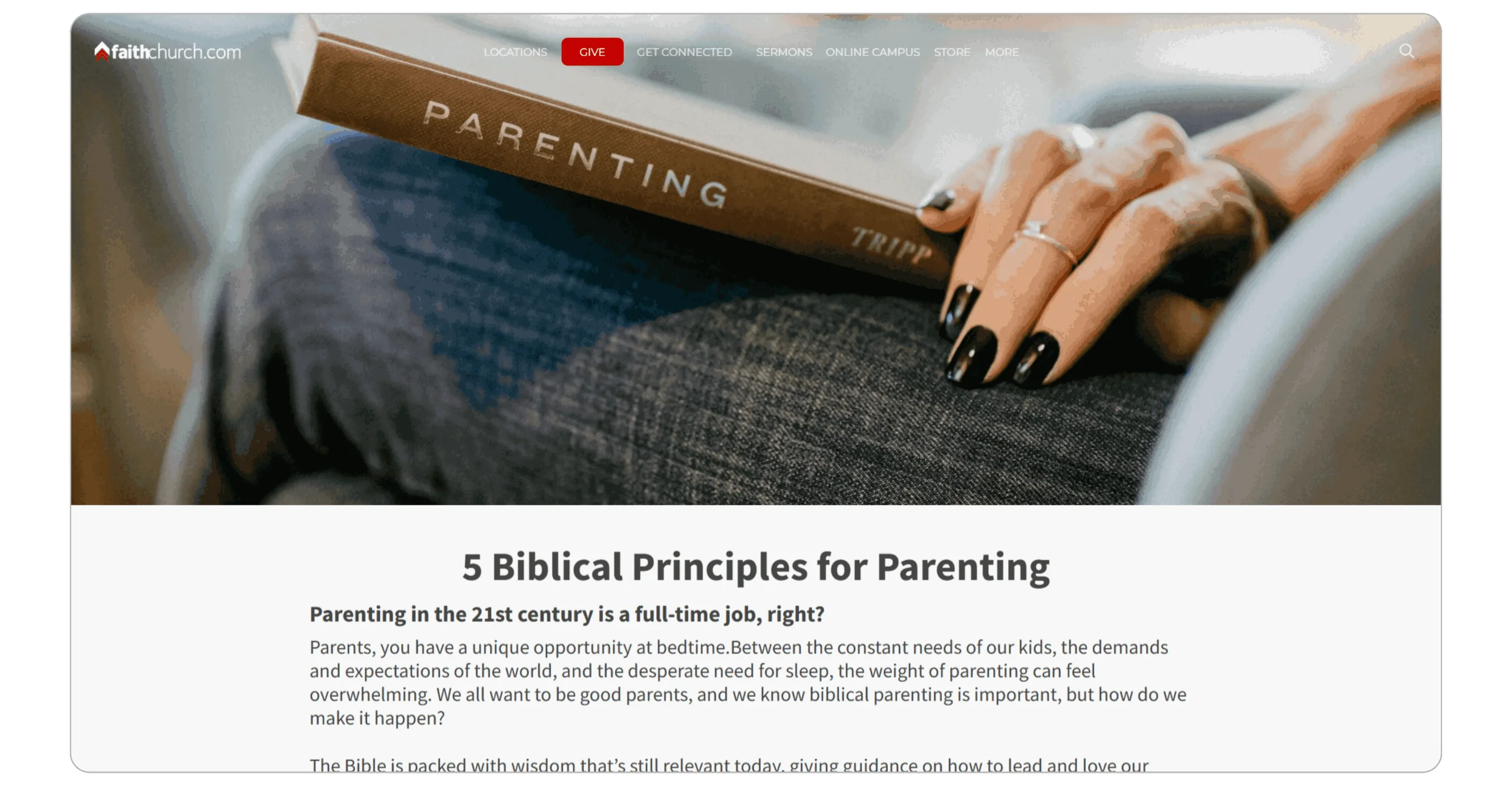
4. Create Practical Christian Living Guides
Help readers apply biblical principles to parenting, marriage, work, finances, friendships, and daily habits.
Example: Biblical Encouragement for Parents During the School Year
5. Write Evergreen Bible Resources
Some topics never go out of date. Articles on prayer, Bible reading, forgiveness, grace, and spiritual growth can continue bringing traffic for years.
Example: A Simple Daily Prayer Routine for Beginners
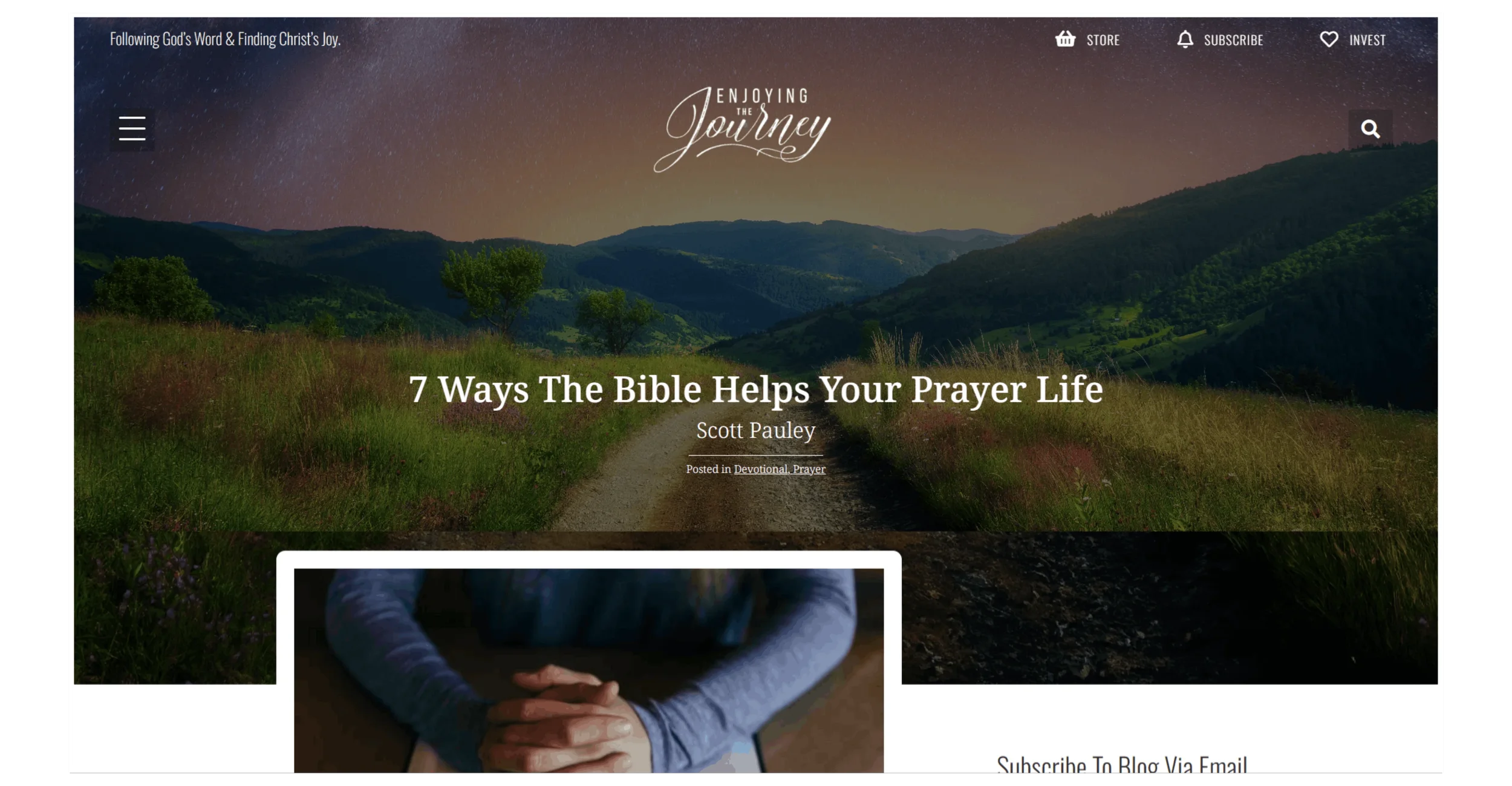
6. Produce Short Weekly Devotionals
Short devotional posts are easy to read and encourage members to return to the church website regularly.
Example: This Week’s Devotional: Finding Peace in Busy Seasons
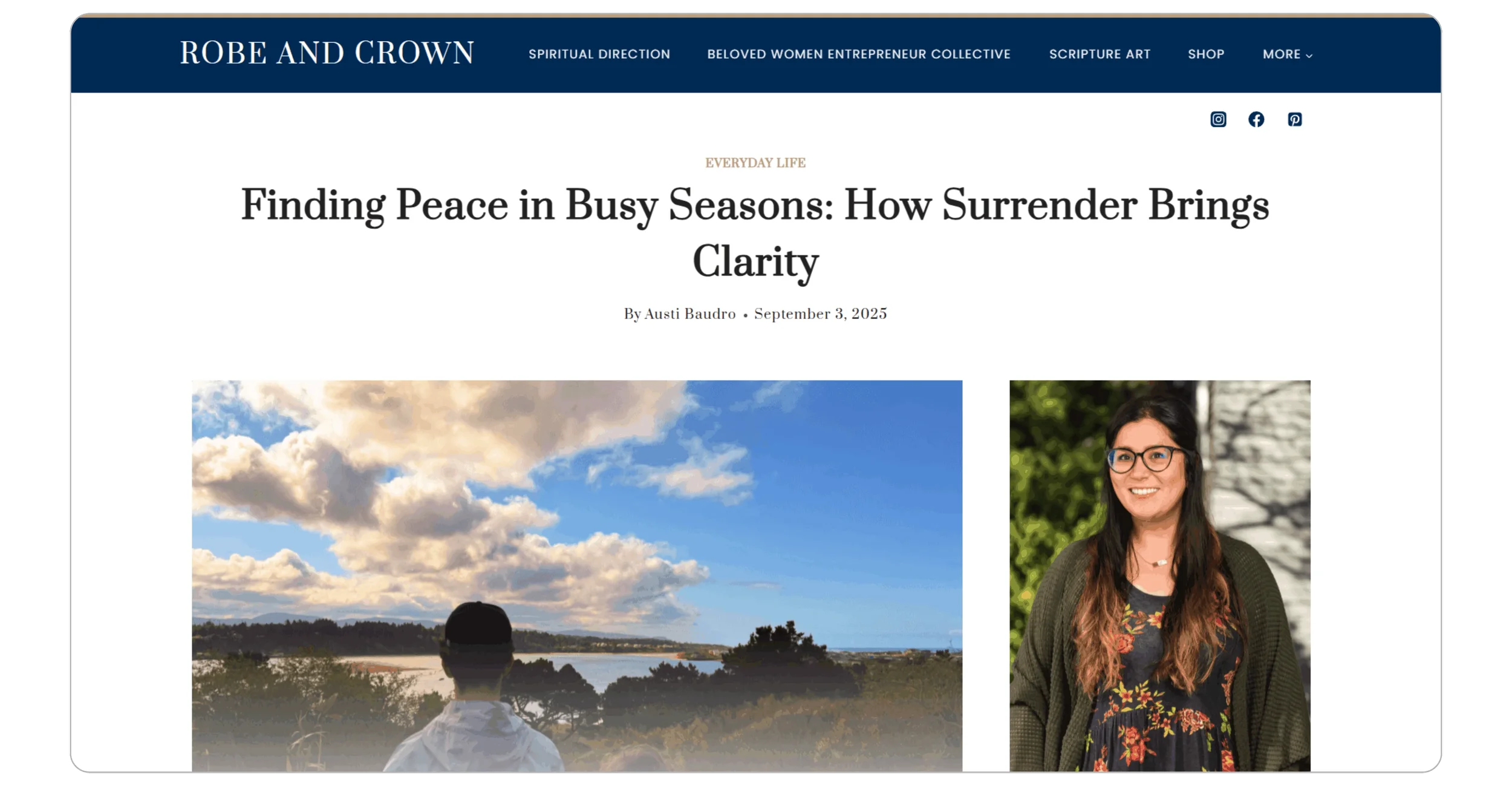
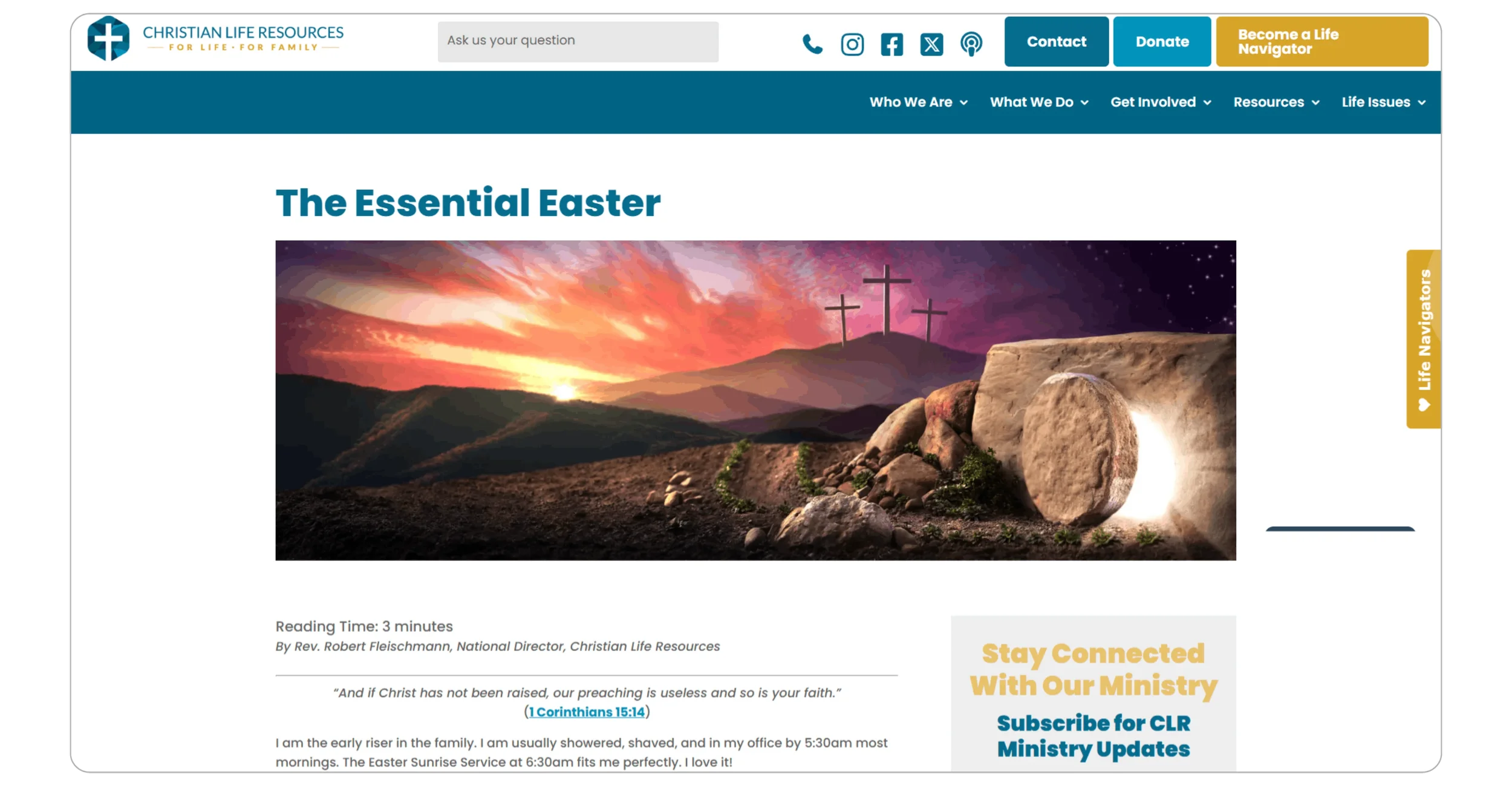
7. Publish Seasonal Ministry Content
Write timely articles around Easter, Christmas, Lent, Advent, Thanksgiving, or the New Year when interest in faith content naturally increases.
Example: Preparing Your Heart for Easter Week
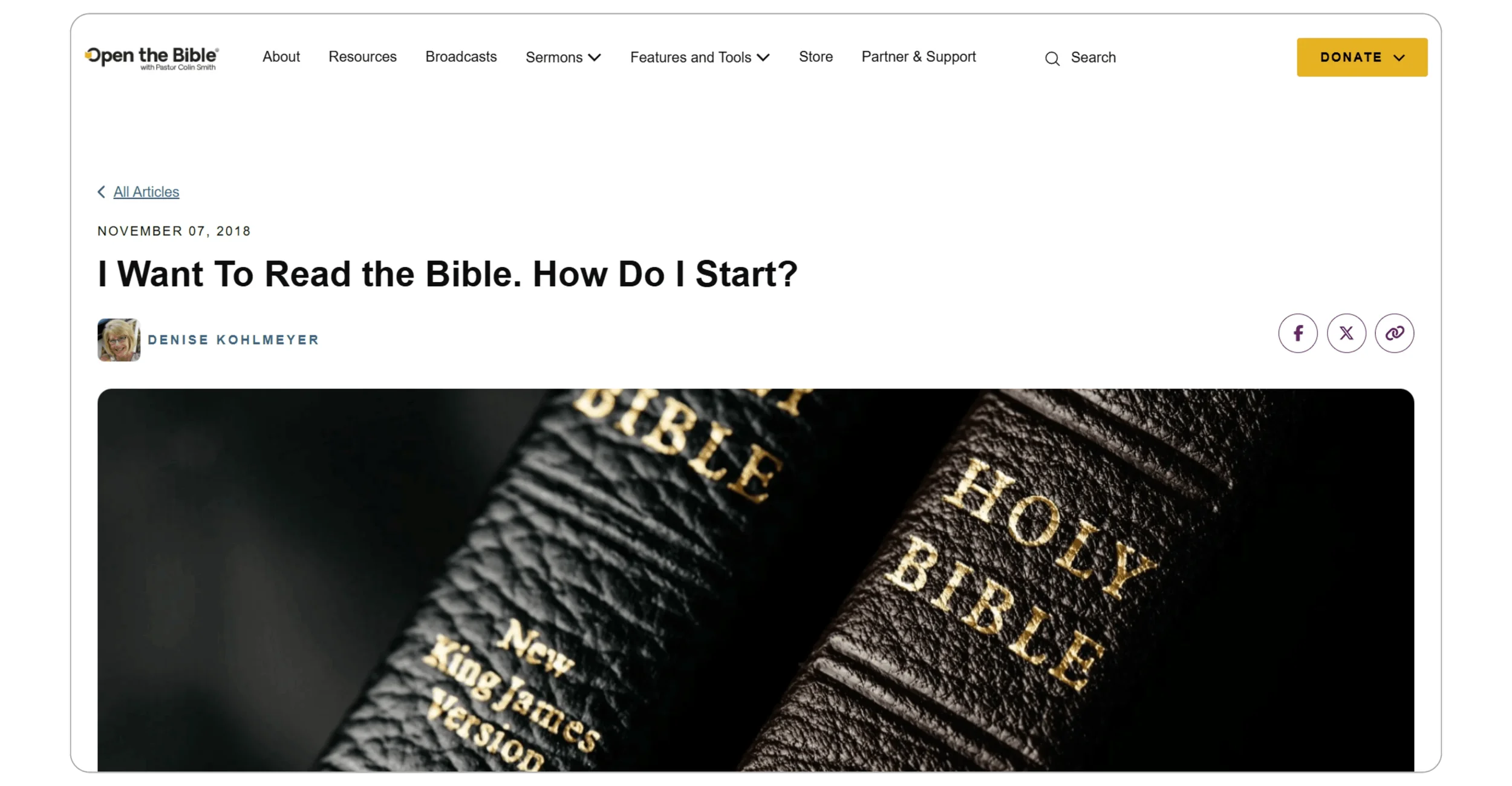
8. Create Step-by-Step Spiritual Tutorials
“How-to” content performs well because it gives readers a clear next step.
Example: How to Start Reading the Bible in 15 Minutes a Day
9. Curate Trusted Christian Resources
You don’t have to create every resource yourself. A curated post that recommends books, podcasts, Bible apps, or study tools can be highly valuable.
Example: 7 Bible Study Resources Every New Believer Should Try
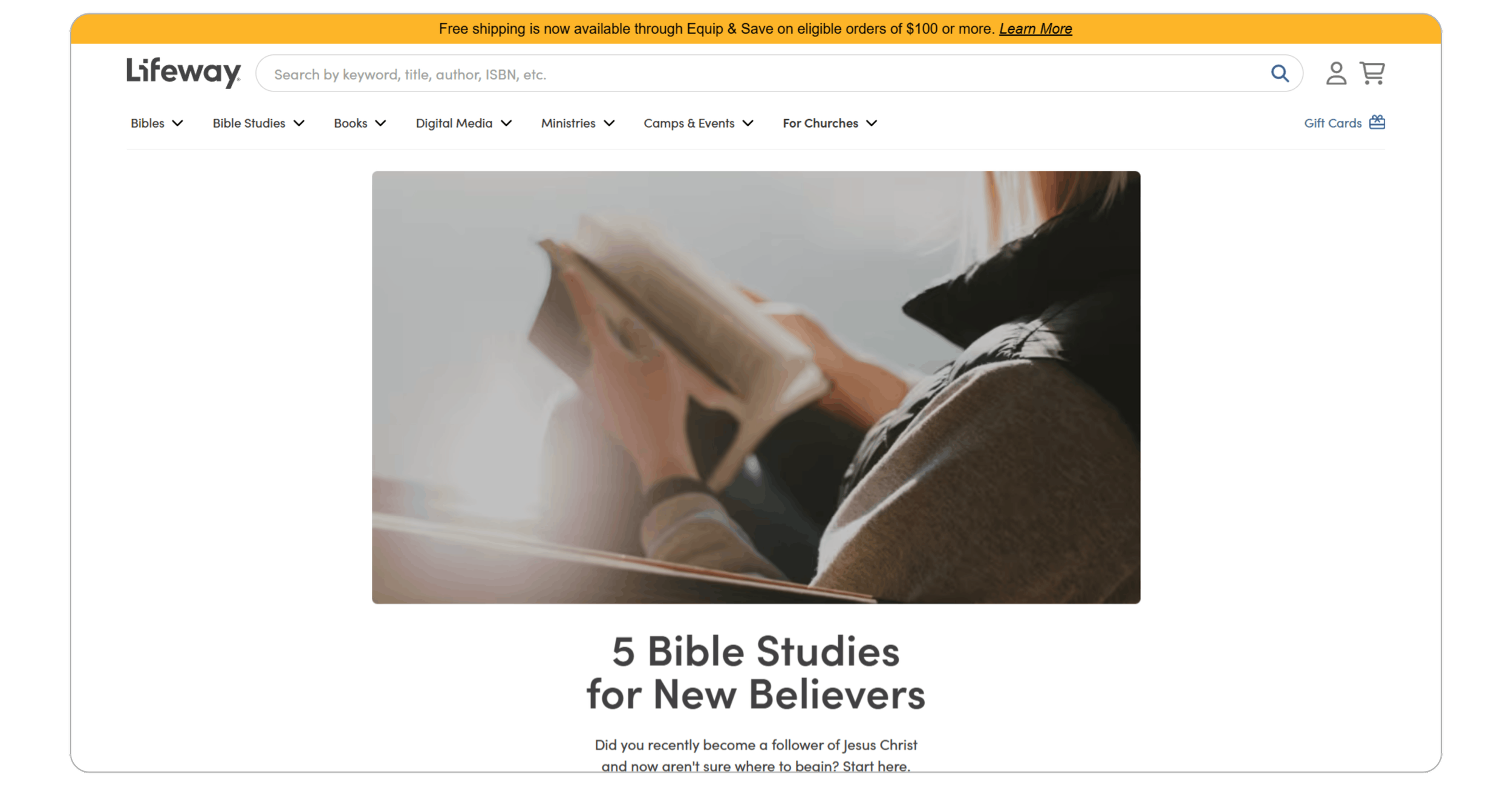
10. Use Video and Multimedia in Blog Posts
Embed sermon clips, pastor encouragement videos, worship rehearsals, or ministry updates to make your church blog feel more personal and engaging.
Example: A 2-Minute Encouragement from Our Pastor
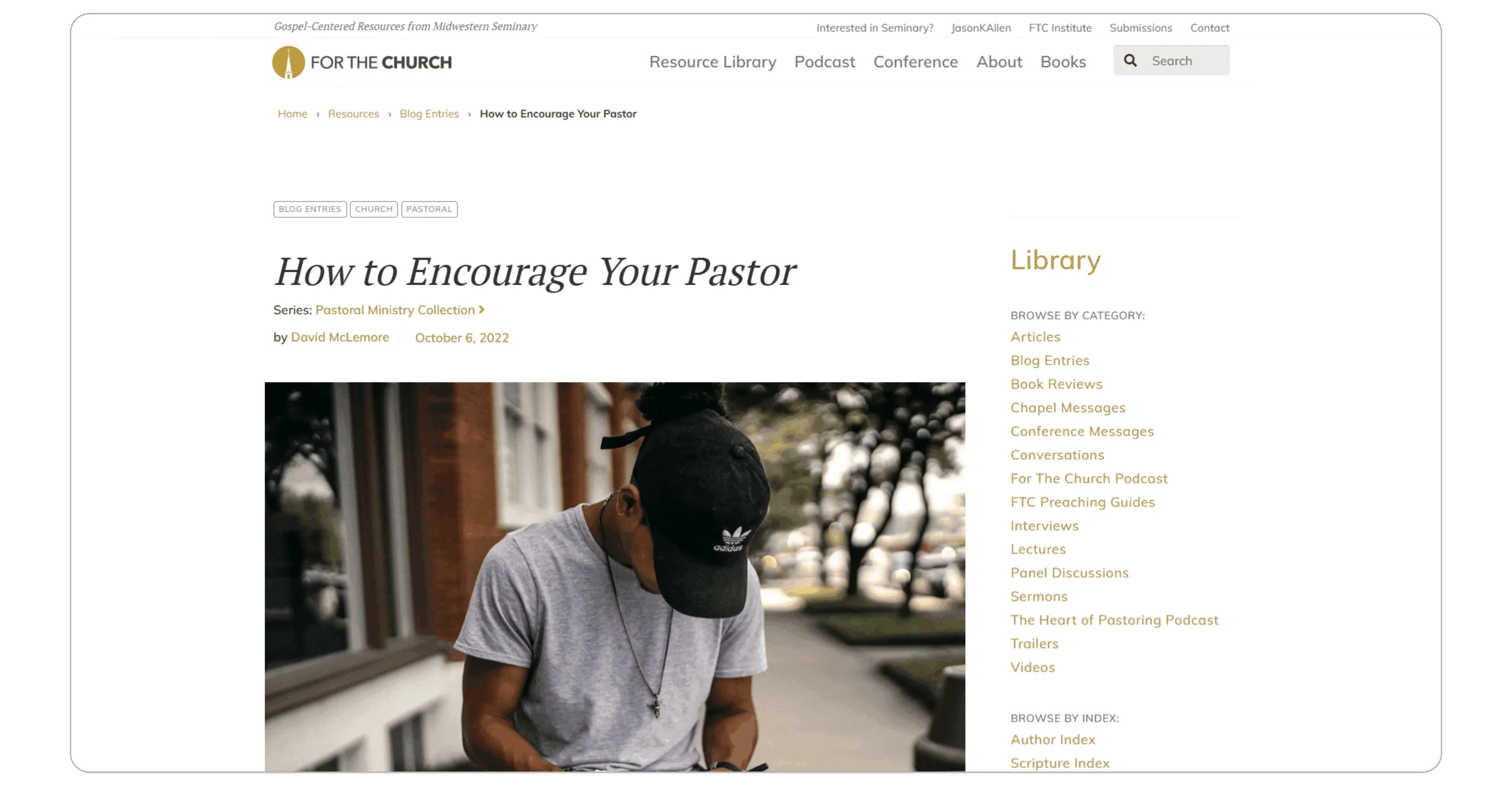
11. Feature Different Ministry Teams
Invite worship, youth, children’s, missions, or hospitality leaders to contribute articles from their area of ministry.
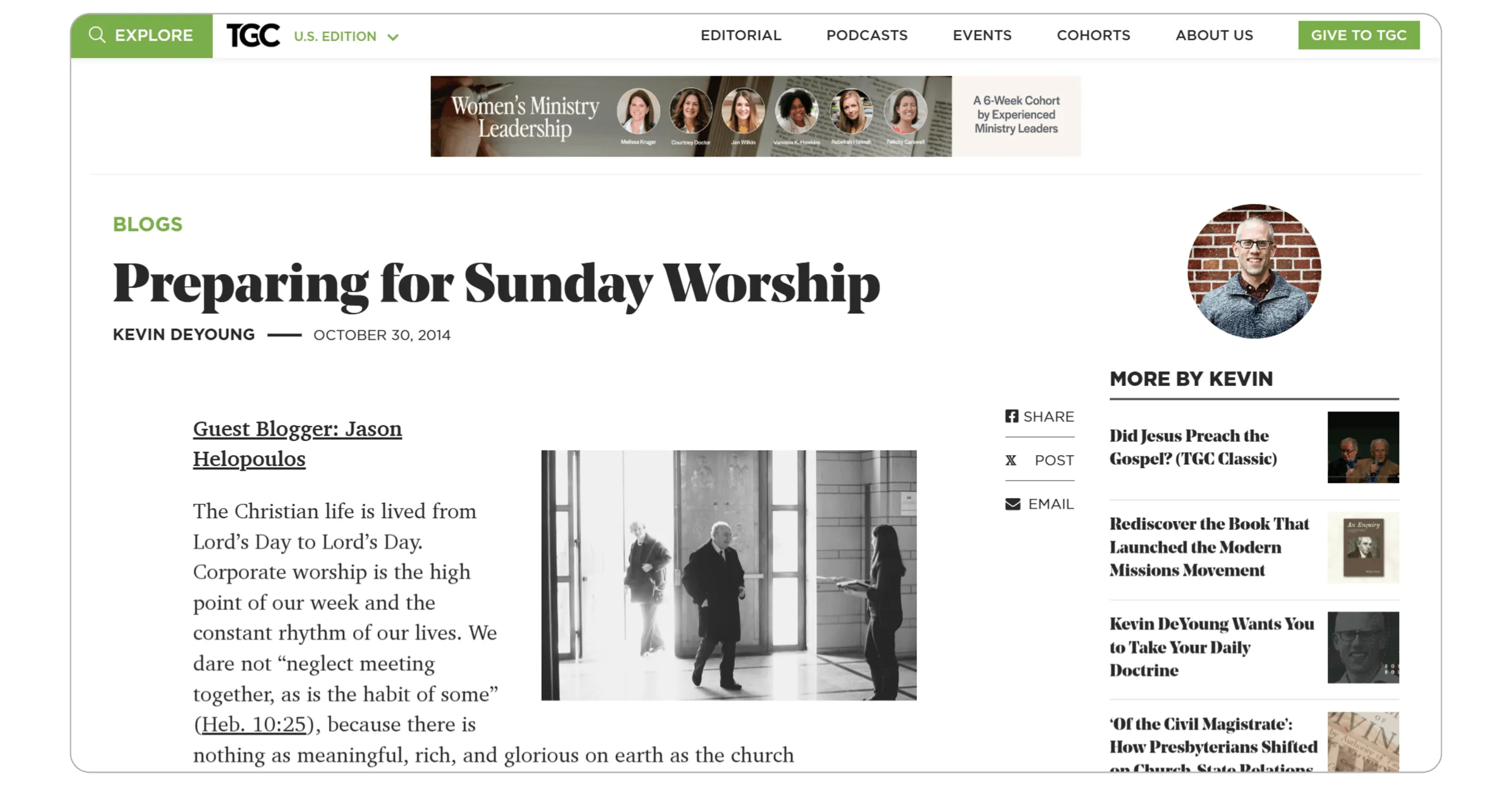
Example: What Happens Behind the Scenes Before Sunday Worship Begins
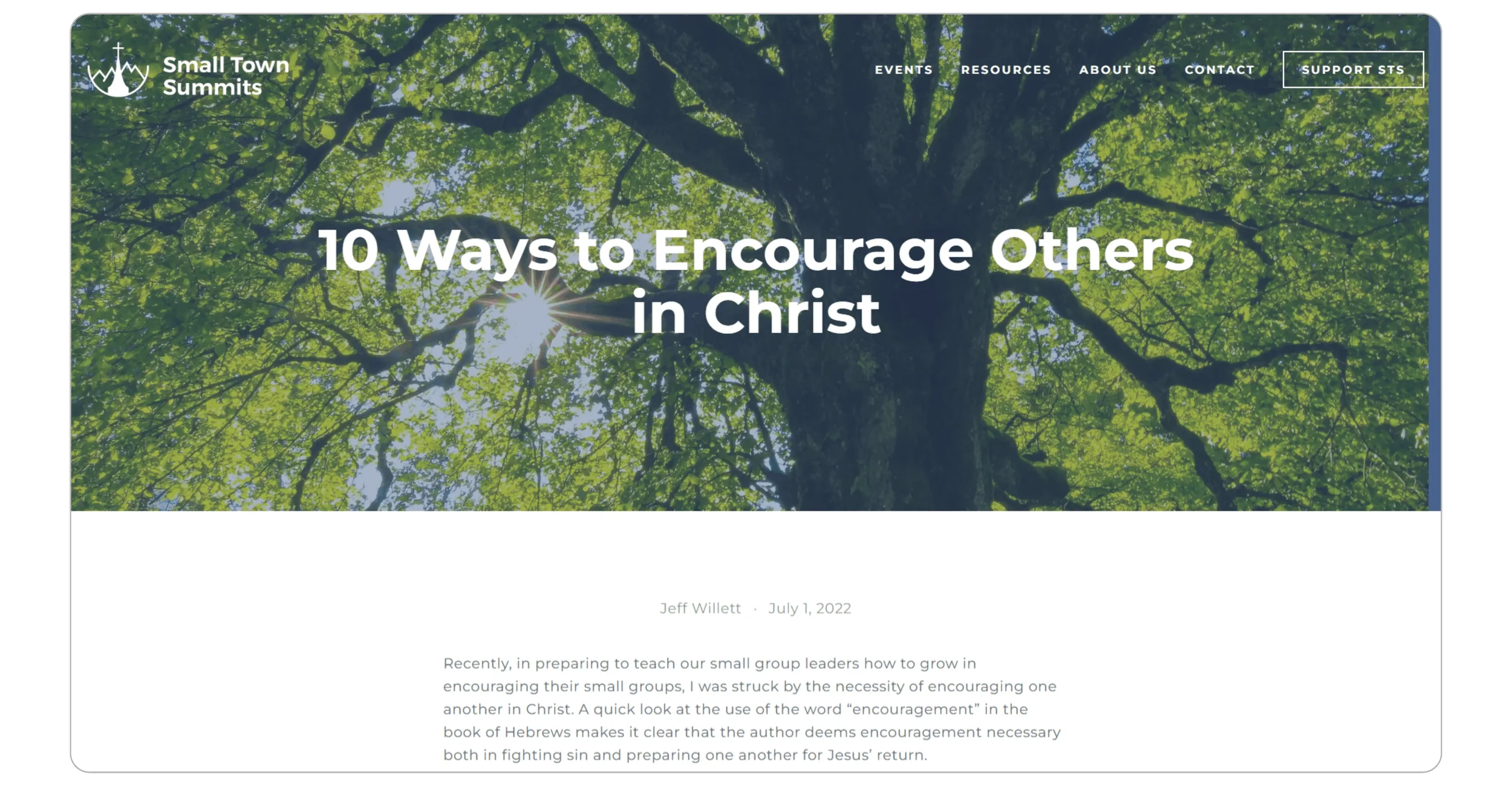
12. Publish Encouragement Lists
List-style posts are easy to scan, share, and save. They work especially well for practical encouragement.
Example: 10 Simple Ways to Encourage Someone This Week
Which Church Blog Topics Usually Perform Best?
If your goal is Google traffic, start with:
Faith Q&A articles
Step-by-step guides
Evergreen spiritual resources
Seasonal holiday content
Local community guides
Frequently Asked Questions
-
Start with devotionals, sermon reflections, prayer guides, Bible Q&A posts, volunteer stories, parenting articles, local community guides, and testimony posts.
-
A practical content rule is to spend about 80% of your content helping, teaching, or encouraging people and only 20% promoting events or programs. Helpful content builds trust first.
-
Choose a website platform, secure a domain name, add essential pages (Home, About, Ministries, Sermons, Contact), then create a church website blog and publish a few foundational articles before promoting the site.
-
Look for blogs that consistently publish biblical teaching, practical Christian living advice, prayer resources, and church leadership content from trusted ministries and authors.
Final Thoughts
When people search online for hope, prayer, purpose, or a church near them, your website has an opportunity to meet them in that moment.
A well-planned church blogging strategy is not about chasing traffic. It is about extending your ministry beyond the church building and making your message accessible every day of the week.
If you need a church website that is designed for both ministry impact and search visibility, I’d be happy to help.
Need help building or redesigning your church website?
Visit Web Goyat to learn more about my Squarespace web design and SEO services for churches and faith-based organizations.
