
Venue Marketing Strategy: 7 Ways to Attract Bookings Year-Round
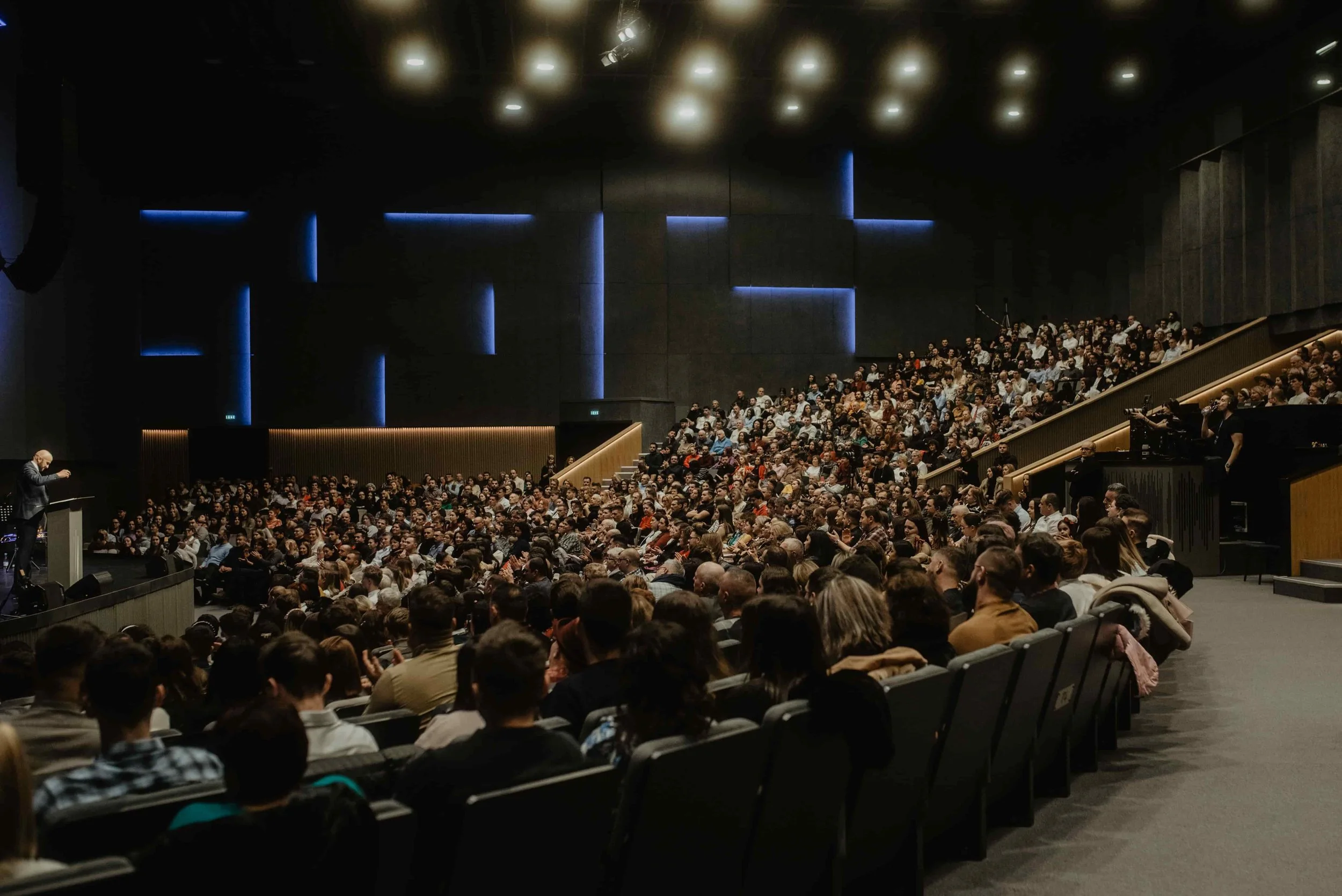
A beautiful event space needs a clear venue marketing strategy to help the right people discover it. Potential clients need to understand what your venue offers, whether it suits their event and how to arrange a viewing.
Your website, social media, local partnerships and follow-up process should work together. Here are seven practical ways to promote your venue throughout the year.
What Is a Venue Marketing Strategy?
A venue marketing strategy is your plan for attracting suitable enquiries and turning interest into bookings. It applies to wedding venues, banquet halls, restaurants, hotels, community centres and other spaces available for hire.
Start by identifying the events your venue can support and the people responsible for booking them. A couple planning a wedding may need different information from a corporate organiser.
Choose channels around your audience, budget and available dates.
1. Improve Your Venue Website and Local SEO
Your website should help visitors assess the space before requesting a tour. Include:
Current photographs showing different event setups.
Capacity, layouts, amenities and accessibility information.
Catering options and services included.
Clear pricing, starting rates or an explanation of how quotes work.
A straightforward enquiry form or tour request.
A walkthrough video or virtual tour can help explain the layout, where practical.
For local SEO, use relevant phrases such as “wedding venue in Toronto” or “corporate event space in Toronto” when they accurately describe your location and services. Create useful pages for different event types rather than duplicating content.
Claim and verify your Google Business Profile. Keep contact details, location, opening hours, categories and photographs accurate. Ask clients for honest reviews and respond to their feedback.
2. Use Social Media to Promote Your Venue
Show how the space works for real events. Share room transformations, venue walkthroughs, event highlights and behind-the-scenes preparation.
Choose platforms based on your audience. Instagram and Facebook may suit wedding and private-event content, while LinkedIn can support corporate venue marketing. Focus on channels you can maintain consistently.
Use photographs and videos you have permission to share. Include a clear route to your website or enquiry form.
Paid campaigns can extend your reach, but start with a defined audience, budget and booking goal.
Need Help with Your Squarespace Website?
Book a free kick-off call to discuss your project requirements in detail. Whether you're launching a new Squarespace website, redesigning an existing one, or looking to improve functionality and user experience, we'll help you explore the best options for your goals.
3. Build a Referral Network for Your Venue
Develop relationships with local event planners, caterers, florists, photographers, DJs and other professionals whose clients suit your space.
Invite them to visit, explain your facilities and discuss opportunities to recommend each other where appropriate. Recommendations work best when partners understand what you offer.
Past clients can also introduce new business. If you offer referral rewards, make the eligibility, reward and booking conditions clear. Follow up after events and make your contact details easy to share.
4. Use Email Marketing
An email newsletter helps you stay in touch with people who have asked to hear from you.
Share useful updates such as seasonal packages, open days, venue improvements, real event stories and available dates. Keep each email focused, with a clear next step.
Group subscribers by event interests where useful. Corporate organisers may want meeting packages, while couples may be interested in wedding open days.
Get permission for newsletter emails and provide an easy unsubscribe option. Keep marketing newsletters separate from replies to individual enquiries.
5. Promote Your Venue Locally
Give potential clients and event professionals opportunities to experience the space.
Consider hosting an open house, attending a relevant wedding fair or joining local business networking events. Choose activities that match the events you want to attract.
Local publications, community partnerships and targeted advertising can introduce your venue to nearby audiences.
Bring clear information about capacity, services and pricing, and offer an easy way to arrange a tour. Record where enquiries come from so you can evaluate each activity.
6. Create Helpful Content About Your Venue
Content marketing should answer questions clients ask while comparing spaces.
Useful topics include:
Which room layouts suit different guest counts.
What is included in your venue hire.
Catering and supplier options.
Planning an outdoor event with a weather backup.
Stories from weddings, meetings or celebrations held at your venue.
Use genuine photographs, client feedback and practical explanations. Link articles to relevant venue pages and tour enquiries.
Publish content you can maintain, and update it when facilities, packages or policies change.
7. Encourage Off-Season Venue Bookings
Look at your booking history to identify quieter months, weekdays or time slots.
Create offers around events your venue can realistically accommodate, such as weekday meetings, smaller celebrations or seasonal packages.
Options could include off-season rates, bundled services or added-value extras. Check that the offer still covers your costs and is manageable for your team.
State eligible dates, inclusions and booking terms clearly. Promote the offer on your website, through relevant email segments and on the channels your audience uses.
Measure the Results of Your Venue Marketing
Track where enquiries come from and how many become tours, proposals and confirmed bookings.
Review whether leads match your event types, capacity and budget requirements. Website visits and social engagement provide context, but enquiries and bookings show whether those activities support your business.
Frequently Asked Questions
-
Choose platforms serving your location and event types, then follow their listing process. Provide clear photographs, capacity, services, location and pricing information.
Check the costs before joining. For example, Tagvenue offers free listings but charges commission on qualifying bookings.
-
Create a corporate-events page showing suitable layouts, capacity, Wi-Fi, audiovisual facilities, catering and access information. Include relevant project examples where available.
Build relationships with local businesses and corporate planners, and use channels such as LinkedIn to share relevant updates.
-
Answer the client’s questions and confirm availability if you can. Include suitable capacity, relevant facilities, pricing guidance and the next step.
If you need more information, ask for the event type, date and guest count. Make arranging a tour straightforward.
Final Thoughts
A venue marketing strategy works best when your message, website and enquiry process support the same goals. Help people understand your space, keep information current and follow up consistently.
At Web Goyat, we build Squarespace websites for venues and event professionals that present their spaces clearly and make enquiries easy.
Book a free consultation call with us to discuss your venue website and how it can support your marketing.
