
How to Build a High-Converting Interior Design Portfolio Website
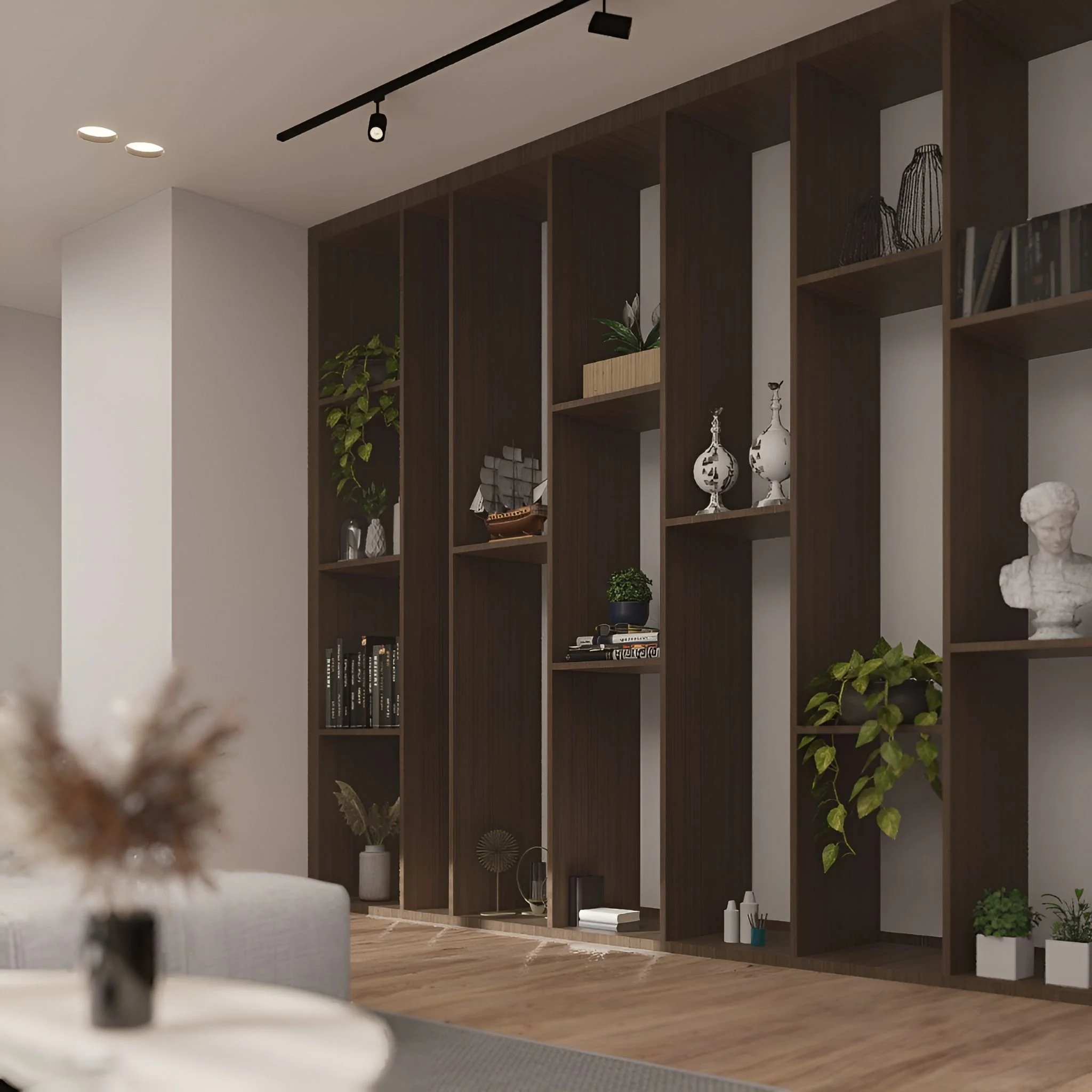
Word of mouth is a powerful networking tool, but an interior design website lets you share your work more widely and provide more information than a business card or social media page.
Your website should showcase your expertise and act as a brochure of your best work, helping potential clients understand what you offer before getting in touch.
In this blog, I’ll walk you through building a high-converting interior design portfolio website that showcases your work, builds trust and encourages potential clients to get in touch.
Showcase Your Work with Style
The core of any interior design website is its portfolio. High-quality images, project galleries and before-and-after comparisons help visitors see your expertise in real spaces.
Organise projects by style, space or budget where relevant. This helps potential clients find examples that match what they have in mind and understand whether your work suits their needs.
Make Navigation Very Clear
Don’t make people guess where to click. Use clear menu labels such as “Portfolio,” “About” and “Services.” Avoid too many dropdowns or creative names that don’t explain what a page contains.
Aim for four to six main navigation items, where practical. Additional pages can sit in the footer or under a relevant parent page.
Need Help with Your Squarespace Website?
Book a free kick-off call to discuss your project requirements in detail. Whether you're launching a new Squarespace website, redesigning an existing one, or looking to improve functionality and user experience, we'll help you explore the best options for your goals.
Conversion-Focused User Experience
An interior design portfolio website should make it easy for visitors to move from browsing your work to contacting you. Clear navigation, straightforward enquiry forms and accessible contact details help support that journey.
Features to consider include:
Contact forms where visitors are likely to enquire.
Booking options for consultations or virtual meetings.
Visible phone numbers and email links, with chat if it suits your business.
Downloadable guides or design tips for visitors who want to join your email list.
Choose the options that fit how you work with clients. The next step should be clear and easy to complete.
Add Social Proof
Client testimonials and reviews help potential clients understand what it’s like to work with you. Include them on your homepage, services page or alongside related projects.
Specific feedback, such as “She completely transformed our space and made it feel like home,” communicates more than generic praise. Use real client comments that describe their experience and the results of your work.
Use Clear, Compelling Calls-to-Action (CTAs)
Every page should guide visitors towards a relevant next step. Depending on the page, your calls to action could include:
“Book a Discovery Call”
“Browse the Portfolio”
“See My Services”
“Let’s Talk Design”
Make your CTAs easy to find and repeat them where they are useful, especially after project galleries or service information. Keep the wording consistent with your brand voice.
SEO and Content Strategy
A well-designed website also needs to be easy to find. Start with descriptive page titles, readable URLs and alt text that accurately describes your project images.
Useful project pages and blog posts about interior design can help explain your work and answer potential clients’ questions. For local SEO, include the areas you serve naturally in relevant page content.
Use specific search terms that match your services and location. For example, “modern living room interior design in Berlin” is relevant only if you offer that service in that city. Let keywords support useful content rather than forcing them into every paragraph. developers.google.com
If you want to learn more, explore my other blogs on website SEO.
Mobile-First & Responsive Design
Potential clients may view your interior design portfolio website on a phone, tablet or desktop. Responsive design helps your images, galleries and text adapt to different screen sizes. developers.google.com
Keep navigation comfortable to tap, text readable and visuals quick to load. Check that visitors can browse your projects and complete an enquiry form easily on smaller screens.
Frequently Asked Questions
-
Interior designers use different platforms for their websites. Squarespace and Wix both offer options for building an interior design portfolio website, including project galleries and customisable layouts. Choose based on how easily you can showcase your work, update projects and manage enquiries.
-
When building an interior design portfolio website, start with your strongest projects rather than adding weaker work to fill space. Explain the brief, your role and the finished result. You can also include your own home, student projects or concept designs, clearly labelled so visitors understand what they are viewing.
-
A good portfolio website reflects your design style and keeps your work easy to explore. Use clear photography, organised project galleries, readable text and simple navigation. Brief project descriptions, information about your services and a visible contact option help potential clients understand your work and take the next step.
-
There is no fixed total. Around 6–10 carefully selected photos per project can be a useful starting point, rather than a strict rule. Include wide room views and detail shots that show different aspects of the design. Smaller projects may need fewer images; avoid repeating similar photographs just to reach a number.
My Thoughts
Building an interior design portfolio website requires a balance of strong visuals, clear information and a simple path to enquiry. Your website should showcase your work while helping potential clients understand your services and how to contact you.
At Web Goyat, we help interior design businesses bring their branding, website design and content together to present their work professionally.
Book a free consultation call with us to discuss your interior design website and how we can help create a site that reflects your style and showcases your work.
